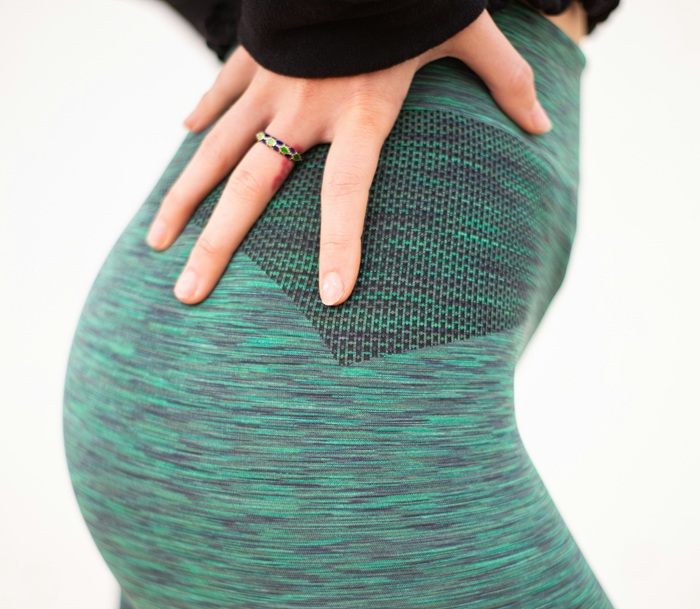
Anterior pelvic tilt is one of the most common postural deviations. If you sit for long periods, wear high heels frequently, or have gone through pregnancy, your pelvis may naturally tip forward. While it’s common, it can create issues like lower back discomfort, tight hip flexors, and poor movement efficiency if left unaddressed.
For people living with type 1 diabetes (T1D), daily exercise is not just possible—it’s highly beneficial. Regular physical activity strengthens your body, supports mental health, and improves insulin sensitivity. But it also requires careful planning to manage blood-glucose levels before, during, and after workouts.
The first step to exercising safely with T1D is understanding how different types of activity affect your glucose levels. Once you learn how your body responds, you can adjust your insulin, meals, and workout timing to stay in a safe range and reach your fitness goals.
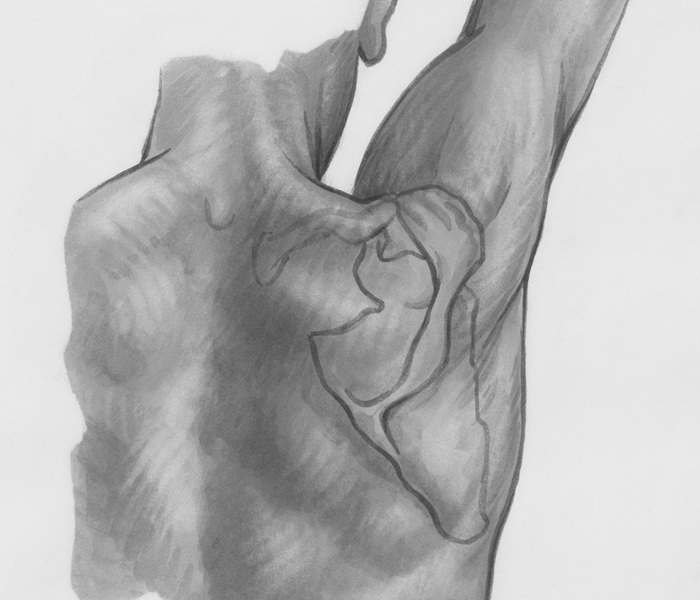
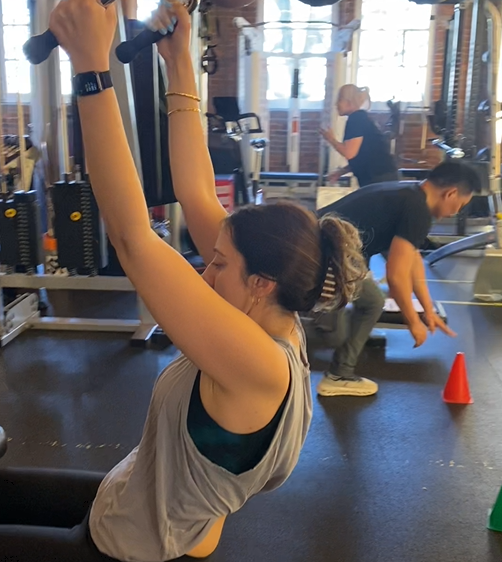
When it comes to shoulder health, many people focus on the deltoids or rotator cuff muscles—but few realize just how important the serratus anterior is. In fact, multiple studies have shown a strong correlation between poor serratus anterior activation and common shoulder problems like impingement syndrome, rotator cuff injuries, and scapular dyskinesis (poor movement of the shoulder blade).
So, what does the serratus anterior do, and why should you care?
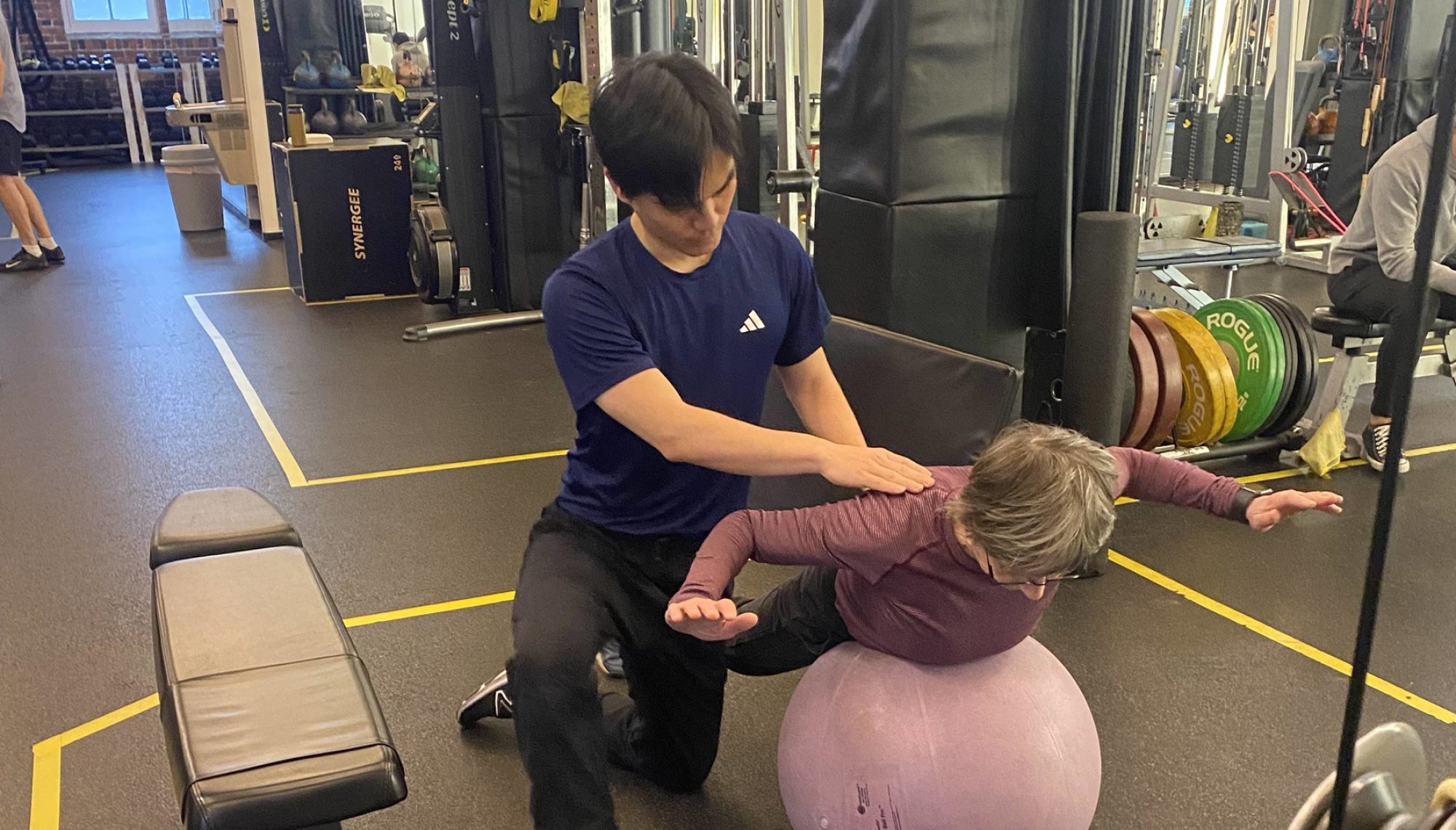
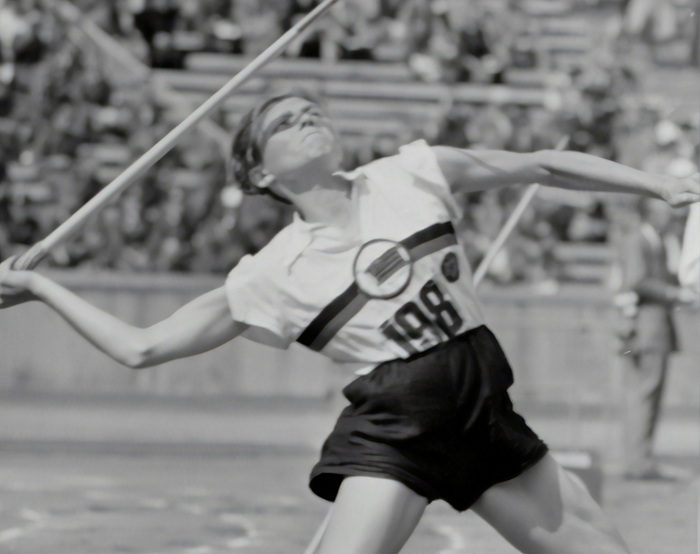
Power training is a key part of my coaching approach. It is not only for young athletes. It is also very important for seniors.
A simple idea I always use is this: if you don’t use it, you lose it. This applies to muscle strength, speed, coordination, and overall movement ability.
Power training helps you keep these qualities active in real life and sports.
Since completing my certification with BoneFit, I’ve had the privilege of working more closely with individuals who have osteoporosis or osteopenia. Many clients ask me similar questions: Can I reverse bone loss? Should I be jumping? What kind of training is safest and most effective?
In this post, I’ll share what BoneFit training involves and how I apply it to help clients move better, feel stronger, and reduce their risk of falls and fractures.
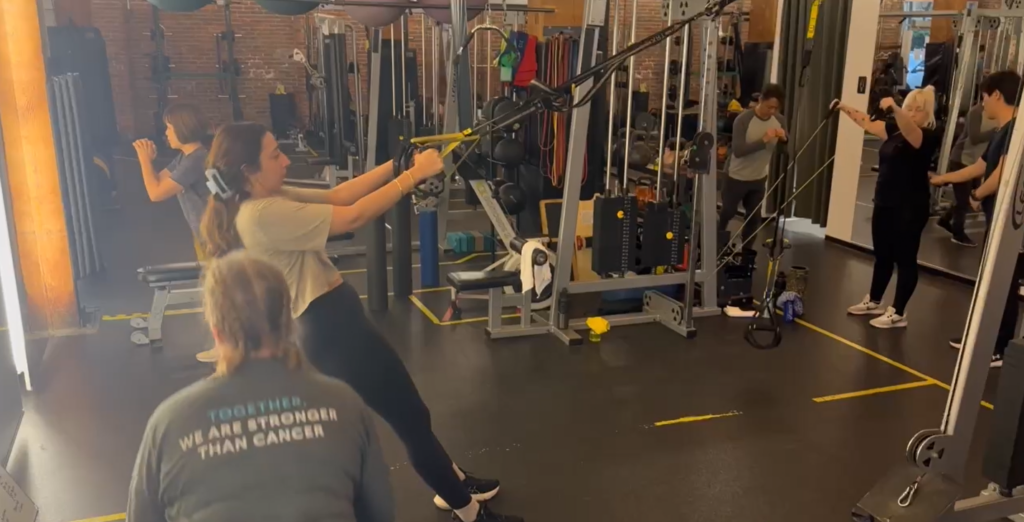
When people start training, they often focus on exercises like biceps curls, triceps pushdowns, or lateral raises. These are not bad exercises. However, if you only do these—or start your workout with them—you may not get the best results.
To train smarter, it’s important to understand the value of compound exercises and why they should come first in your program.
In my previous post, I highlighted the bird dog as one of the most effective core exercises for lower back pain—mainly because the quadruped position strongly activates the transverse abdominis (TVA). While I still stand by that, there’s another foundational movement I highly recommend: the dead bug.