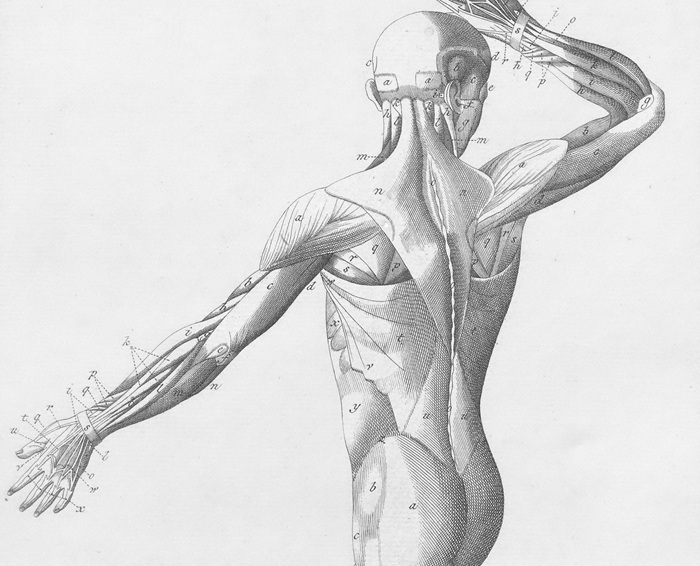
When you think about muscles, you probably picture strength, power, or physical performance. But your muscles do something far more important than move your body — they act as chemical factories that produce myokines.
Why Muscles Matter: The Hidden Role of Skeletal Muscle in Health and Metabolism
When people think about muscles, they often associate them with strength, performance, or aesthetics. But skeletal muscle is far more than a system for movement—it’s one of the most important organs in your body for overall health and metabolism. Beyond enabling physical activity, your muscles serve as a vital amino acid reserve, support immune function, and communicate with other organs through powerful signaling molecules called myokines.
Understanding these deeper roles can help you appreciate why maintaining muscle mass is crucial for long-term health—especially as you age.
Why Seniors Need to Exercise
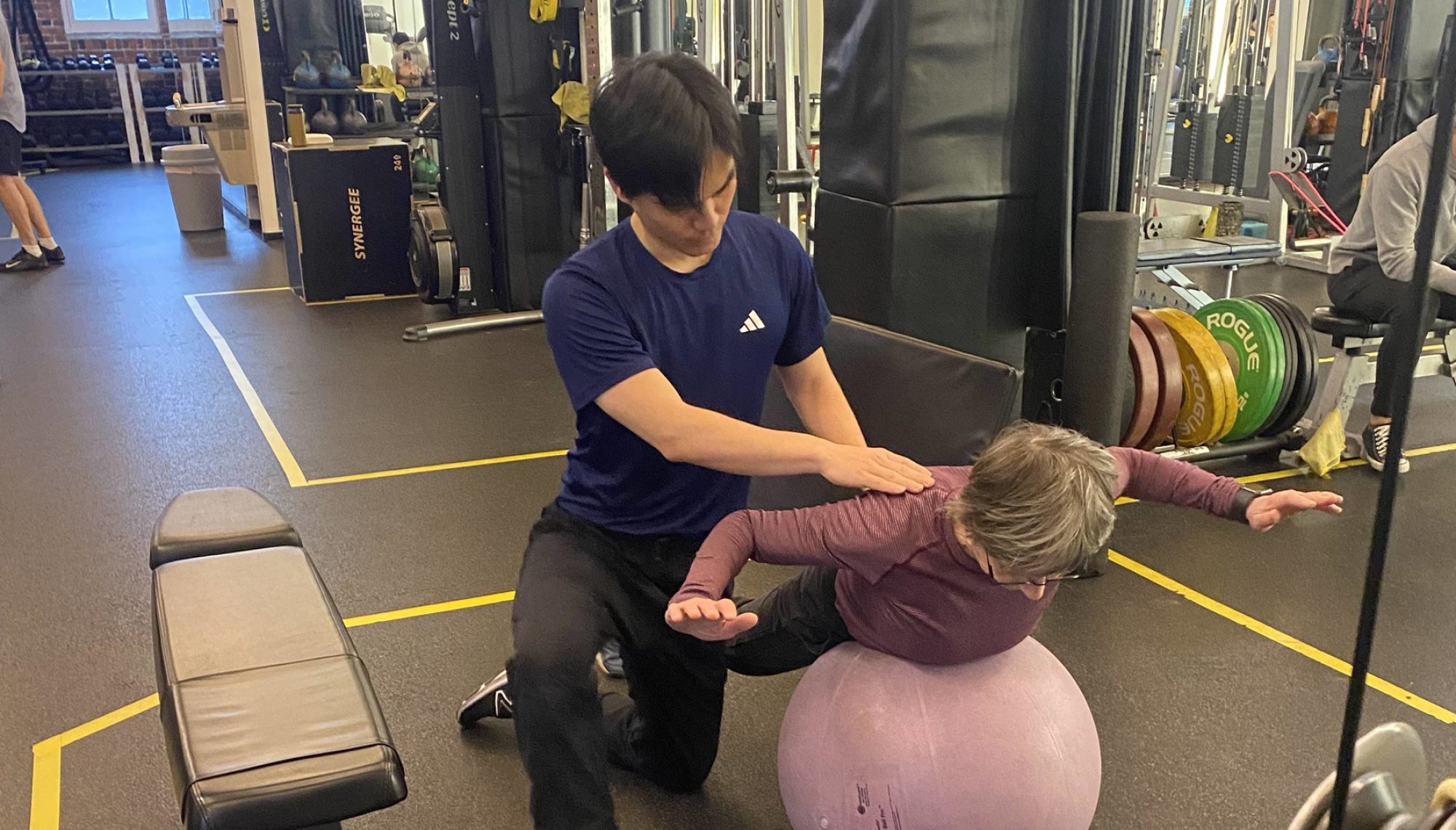
As we age, staying active becomes increasingly important for maintaining overall health and well-being. Exercise is not just about staying fit; it has profound benefits for the brain and body, particularly for seniors. Thanks to neuroplasticity and the ability of muscles to grow at any age, exercise can significantly enhance the quality of life, no matter how old you are.
Wall Angels vs. Lower Trap Activation
Posture is a crucial aspect of overall health, and many exercises are designed to improve it. One such exercise is the wall angel, which is commonly used to counteract slouching by opening up the chest muscles and ensuring that the scapula moves properly. However, there are other exercises that may look similar to wall angels but serve a different purpose, particularly in activating the lower trapezius muscles.
Exercise Routine for Managing Type 2 Diabetes in Individuals with a Healthy Weight
Type 2 diabetes is a growing concern worldwide, affecting millions of individuals across different body types. While the condition is often associated with obesity, a subset of individuals with type 2 diabetes maintain a healthy weight (BMI <25 kg/m²) but may still face challenges such as low muscle mass. For these individuals, determining the most effective exercise routine is crucial for managing blood sugar levels and overall health. This blog post examines the best exercise interventions for normal-weight individuals with type 2 diabetes, based on recent studies.
Combatting Osteoporosis: The Role of Exercise and Balance Training
Osteoporosis is often seen as an inevitable consequence of aging, particularly for those with a genetic predisposition. While it’s true that heredity plays a significant role, there are actionable steps you can take to slow its progression. Through regular strength training, balanced nutrition, and dedicated balance exercises, you can mitigate the risks associated with this condition.
Cross-Legged Sitting on Posture and Health
Sitting with legs crossed is a common habit for many people, but it may have significant effects on posture and overall health. Two studies explored the consequences of this posture on trunk length, pelvic torsion, and postural alignment. Additionally, advice is given for pregnant women regarding the potential risks of crossing legs while sitting.
Connection Between Grip Strength and Dementia Risk
Recent research has revealed a fascinating link between grip strength and the risk of developing dementia. This connection underscores the broader implications of physical strength for overall health. This blog post explores the findings of a significant study conducted in the United Kingdom and delves into expert insights on the broader health implications of grip strength.