Crab Walk: How Band Placement Affects Glute Activation

crab walk

The crab walk is a highly effective exercise that targets the gluteal muscles—gluteus maximus, medius, and minimus. It involves walking sideways while using a resistance band to add tension. However, there is some debate about the best placement of the band during the exercise. Should it be around the toes, just below the knees, or above the knees? Each position has unique benefits and potential drawbacks, depending on individual goals and conditions.

In this post, we’ll explore the impact of band placement on your crab walk and how to make the most of this versatile exercise.


Continue reading “Crab Walk: How Band Placement Affects Glute Activation”

Why Some Individuals Experience Less Stability During Lunges

less stability during lunge

Lunges are a popular lower-body exercise that can improve strength, flexibility, and balance. However, many individuals struggle with stability while performing lunges, which can limit their effectiveness and increase the risk of injury. This article will explore the key factors that influence stability during lunges and provide practical solutions to help improve balance and form.


Continue reading “Why Some Individuals Experience Less Stability During Lunges”

Core Strength: Static vs. Dynamic Core Training

core training

Core strength has been a buzzword in fitness for years, but what does it really mean? It’s not just about holding a plank for hours (though kudos to those who can!). True core strength goes beyond static exercises. It’s about building dynamic strength that translates into real-world movement and function.

In this blog, we’ll break down the difference between static and dynamic core strength, and why your focus should be on the latter for overall fitness and health.


Continue reading “Core Strength: Static vs. Dynamic Core Training”

Wall Angels vs. Lower Trap Activation

lower trap

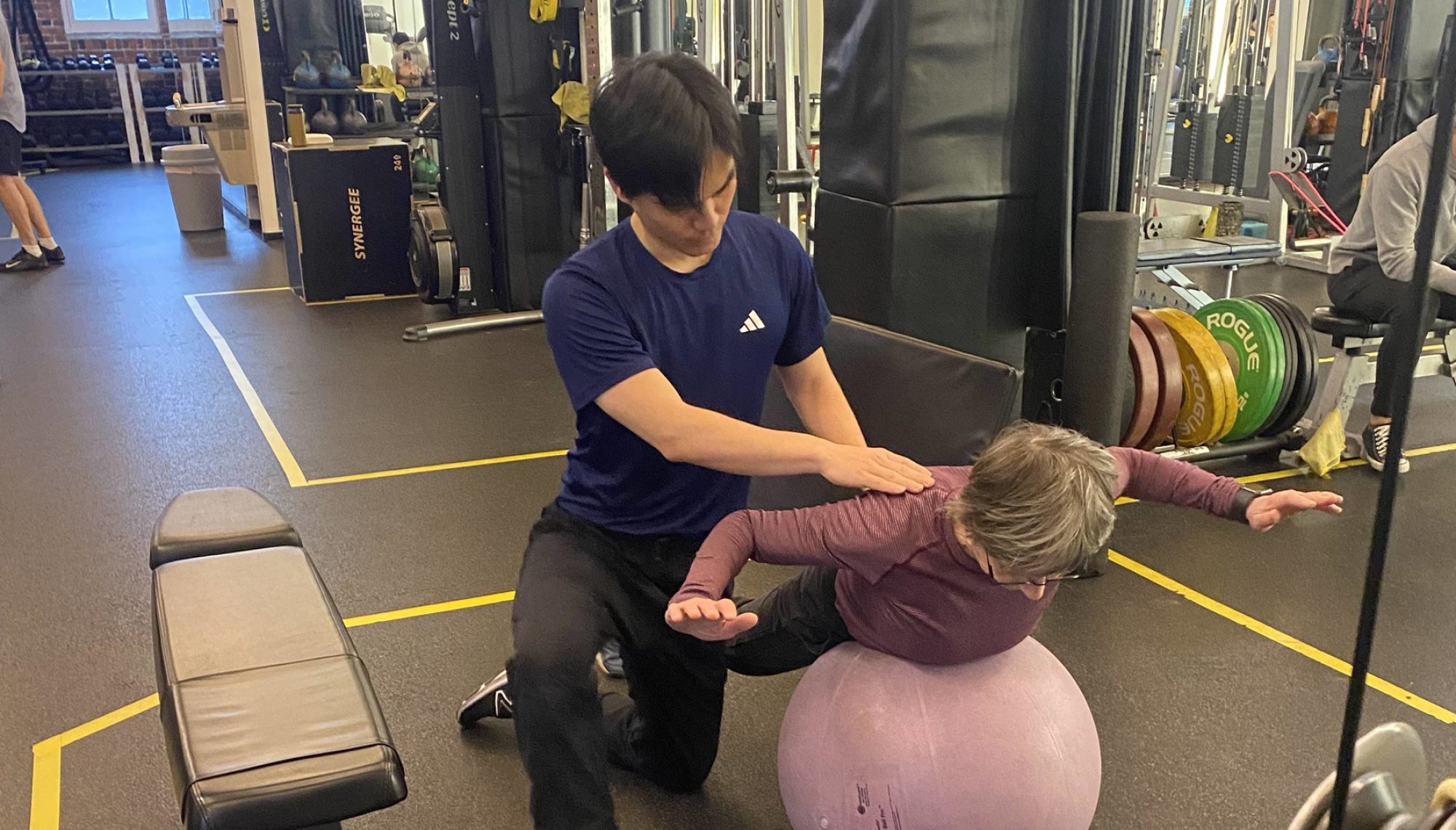
Posture is a crucial aspect of overall health, and many exercises are designed to improve it. One such exercise is the wall angel, which is commonly used to counteract slouching by opening up the chest muscles and ensuring that the scapula moves properly. However, there are other exercises that may look similar to wall angels but serve a different purpose, particularly in activating the lower trapezius muscles.


Continue reading “Wall Angels vs. Lower Trap Activation”

Exercise Routine for Managing Type 2 Diabetes in Individuals with a Healthy Weight

exercise and diabetes

Type 2 diabetes is a growing concern worldwide, affecting millions of individuals across different body types. While the condition is often associated with obesity, a subset of individuals with type 2 diabetes maintain a healthy weight (BMI <25 kg/m²) but may still face challenges such as low muscle mass. For these individuals, determining the most effective exercise routine is crucial for managing blood sugar levels and overall health. This blog post examines the best exercise interventions for normal-weight individuals with type 2 diabetes, based on recent studies.


Continue reading “Exercise Routine for Managing Type 2 Diabetes in Individuals with a Healthy Weight”

Triceps Pushdowns: Single-Arm vs. Double-Arm, Standing vs. Kneeling – What’s Best for You?

Triceps Pushdown

When it comes to isolating and building your triceps, pushdowns are one of the go-to cable exercises. But the way you perform them—single-arm or double-arm, standing or kneeling—can make a significant difference in muscle activation, range of motion, and overall effectiveness.


Continue reading “Triceps Pushdowns: Single-Arm vs. Double-Arm, Standing vs. Kneeling – What’s Best for You?”