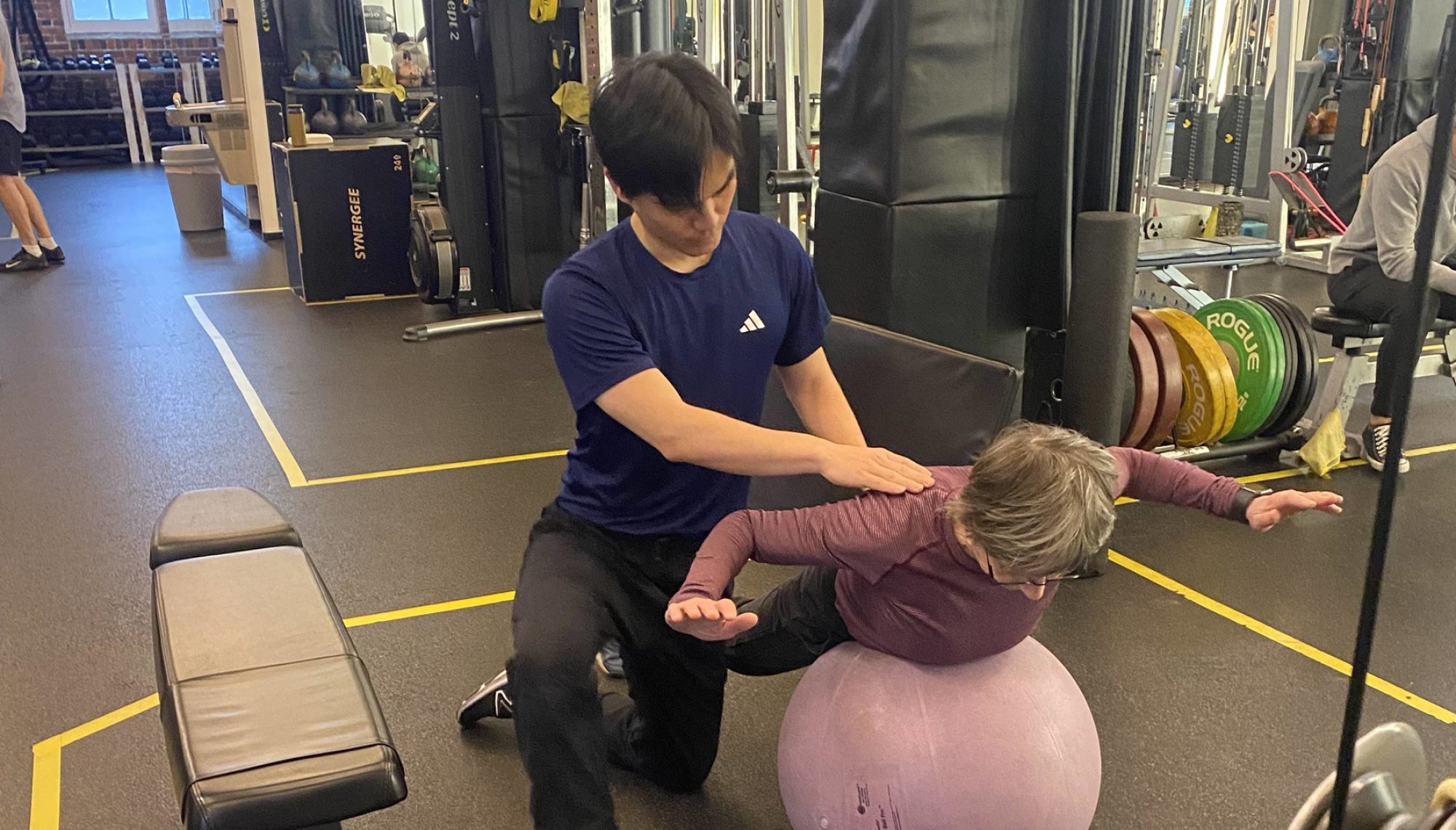
One of my clients has been helping her mom stand from a chair. She mentioned that occasionally she experiences low back pain. This prompted me to explore the best approach for assisting someone in this situation to minimize the risk of injury. Here’s what I found.
Building Lower Body Strength Without Sacrificing Lumbar Stability
After mastering upper body integration with a neutral lumbar spine, it’s time to focus on the lower body. Misalignment during lower body movements is a common cause of lumbar compensation.
This post highlights exercises that strengthen the lower body while preserving proper spinal alignment.
Individualized Exercise Prescription: Considerations for Client Body Mechanics
When it comes to fitness and exercise, there is no one-size-fits-all approach. A good personal trainer understands how to design safe and effective exercise programs, but a great personal trainer goes a step further by considering the unique body mechanics and structural characteristics of each client.
In this blog post, we explore the importance of tailoring exercises to accommodate individual body mechanics, using the example of the dead bug exercise.
Mastering Upper Body Alignment for Lumbar Stability
Excessive lumbar lordosis, or an exaggerated inward curve of the lower back, can lead to discomfort and strain over time. To address this issue effectively, it’s essential to understand the role of the pelvis and lumbar spine in maintaining a neutral posture.
This blog post will guide you through foundational exercises to stabilize the upper body while preserving the lumbar spine’s neutral position.
Exploring the Impact of Arm Positioning on Triceps Muscle Growth
Understanding the optimal techniques for muscle growth is crucial in the field of fitness and strength training. One area of interest lies in the positioning of the arms during exercises targeting the triceps muscle.
In this study, we delve into the effects of arm positioning on triceps muscle growth, specifically comparing exercises performed with the arm raised versus in a neutral position.
Is the Kettlebell Swing Right for Your Training Program? Key Considerations for Trainers and Lifters
The kettlebell swing has become a popular and widely used movement in many workout programs, from novice to advanced training. Its explosive power and unique mechanics can provide excellent strength and conditioning benefits. However, it’s important to recognize that the kettlebell swing isn’t suitable for everyone. Before incorporating this dynamic movement into a program, both trainers and lifters should evaluate whether it’s the right fit based on technique, readiness, and individual limitations.
Full-Body Training for Injury Recovery: Why Staying Active Matters
When dealing with shoulder pain or any specific condition, it’s common for people to feel uncertain about whether to rest or continue training. In my experience working with clients who have shoulder issues, the key to recovery isn’t just resting the injured area. Instead, maintaining activity and focusing on other areas of the body plays a crucial role in the overall recovery process.
Plyometrics Are Essential : Safe Techniques for Jumping and Landing
In our youth, activities like running and jumping come naturally, but as we age, we often let these movements slip away. Jumping, in particular, is an activity that tends to decrease with age, despite its numerous benefits for physical health. Plyometrics—or jumping exercises—are not only great for maintaining bone density but also for promoting coordination, balance, and strength. However, safe technique is essential to reap these benefits and avoid injury.
This article will cover the basics of plyometric safety, including the importance of muscle elasticity, flexibility, and proper landing techniques.