The kettlebell swing has become a popular and widely used movement in many workout programs, from novice to advanced training. Its explosive power and unique mechanics can provide excellent strength and conditioning benefits. However, it’s important to recognize that the kettlebell swing isn’t suitable for everyone. Before incorporating this dynamic movement into a program, both trainers and lifters should evaluate whether it’s the right fit based on technique, readiness, and individual limitations.
Full-Body Training for Injury Recovery: Why Staying Active Matters
When dealing with shoulder pain or any specific condition, it’s common for people to feel uncertain about whether to rest or continue training. In my experience working with clients who have shoulder issues, the key to recovery isn’t just resting the injured area. Instead, maintaining activity and focusing on other areas of the body plays a crucial role in the overall recovery process.
Plyometrics Are Essential : Safe Techniques for Jumping and Landing
In our youth, activities like running and jumping come naturally, but as we age, we often let these movements slip away. Jumping, in particular, is an activity that tends to decrease with age, despite its numerous benefits for physical health. Plyometrics—or jumping exercises—are not only great for maintaining bone density but also for promoting coordination, balance, and strength. However, safe technique is essential to reap these benefits and avoid injury.
This article will cover the basics of plyometric safety, including the importance of muscle elasticity, flexibility, and proper landing techniques.
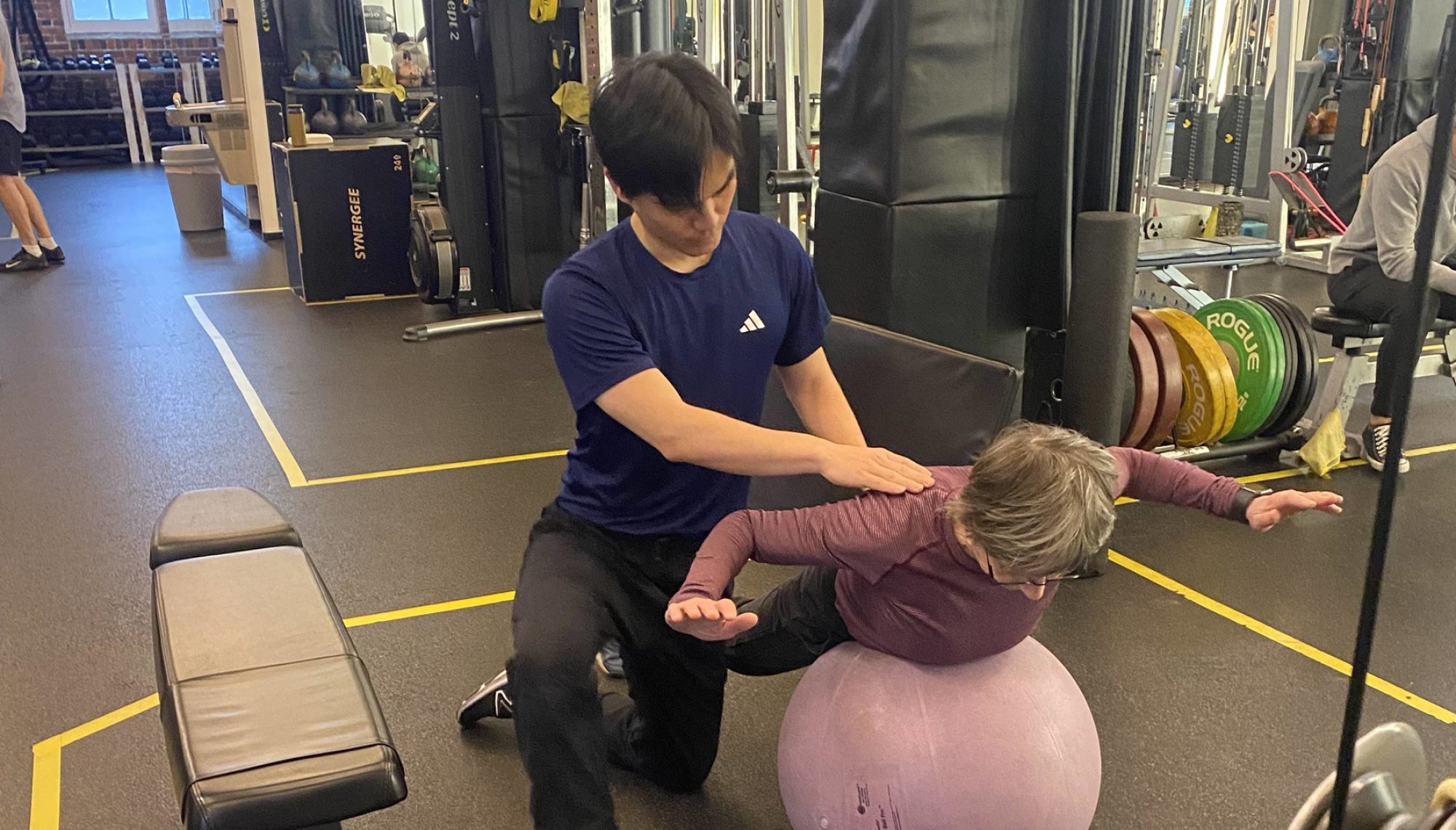
Effective Shoulder Engagement: Rethinking the Role of the Scapula
When we think of body mechanics, especially during exercise, terms like “core engagement” or “tighten your core” are familiar to most. However, understanding how to engage the shoulders properly is less intuitive yet equally essential for safe and effective upper body training. One key aspect is understanding scapular movement, often referred to as “shoulder packing.”
This article delves into how a fresh approach to scapular rhythm can improve shoulder engagement and why constantly “packing” the shoulder might not be the best practice.
Pre-Surgery Training for Hip Replacement: Strengthening and Preparing for Success
Hip replacement is a significant procedure that many individuals face, often due to osteoarthritis or other joint issues that severely limit daily activities. As a personal trainer, I have had the privilege of working with a client preparing for hip replacement surgery. Throughout our training sessions, I’ve gained valuable insights into how to support and prepare clients for such surgeries, focusing on mobility, stability, and functional movement. In this post, I’ll share what I’ve learned from working with my client and how these lessons can be applied to help others in similar situations.
Improving Posture with Deadbug: A Core Exercise for Pelvic Alignment
Deadbug is widely recognized as an effective core exercise, particularly for strengthening the abdominals. However, its benefits extend beyond just working your abs. For individuals dealing with posture issues, such as an anterior pelvic tilt (the “butt up” posture often seen when wearing high heels), the deadbug can be instrumental in teaching proper pelvic positioning and core stability.
In this blog post, we will explore how the deadbug can help correct posture and improve overall movement patterns.
Maximizing Glute Activation: The Impact of Knee Flexion in Single-Leg Bridges
In the pursuit of optimal exercise techniques, researchers have delved into the nuances of familiar movements to identify strategies that enhance muscle engagement and effectiveness. One such exercise under scrutiny is the single-leg bridge, a staple in many workout routines aimed at strengthening the gluteal muscles.
Recent studies have explored variations in knee flexion during this exercise to determine its impact on muscle activation patterns. In this blog post, we delve into the findings of a study investigating the effects of knee flexion angles on glute activation during single-leg bridges.
Deciphering the Grip Debate: Narrow vs. Wide Lat Pulldown
The lat pull-down is a cornerstone exercise for developing the muscles of the back. Yet, there’s been a long-standing belief that a wider grip on the bar maximizes back muscle activation. But is this conventional wisdom backed by scientific evidence?
A study sought to unravel the mystery of hand positions and their impact on the effectiveness of the lat pulldown exercise.
