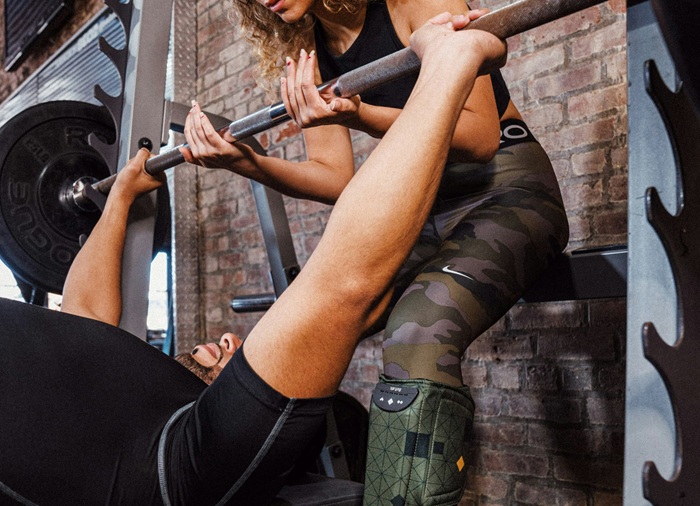

When testing strength levels, you can use either an actual 1-rep max (1RM) test or a submaximal 1RM test. Regardless of age or experience level, knowing your current strength range is beneficial for effective training. A submaximal test is a safer alternative that provides a reliable estimate of your 1RM without the risks of lifting maximal loads.
Overcoming SI Joint Dysfunction: A Client’s Journey to Pain-Free Movement
One of my clients came to me with persistent lower back pain, particularly during daily activities rather than exercise. After a thorough assessment, we discovered that his SI (sacroiliac) joint was jammed, leading to movement imbalances and discomfort.
Do You Really Need a Shoulder Day?
If you’re a regular gym-goer, you’ve probably heard of “chest day, back day, leg day, and shoulder day.” However, I personally never dedicate a separate day to shoulders, yet I’ve been told I have well-developed shoulders. In my opinion, having a shoulder day makes little sense, and here’s why.
Exercises to Avoid for Better Posture
Posture plays a crucial role in overall health and movement efficiency. While exercise is essential for improving posture, some movements can actually make it worse. If you struggle with poor posture, it is important to choose exercises that support proper alignment rather than reinforce imbalances.
In this article, we will discuss common exercises that can negatively impact posture and explain why you should avoid or modify them.
Why Seniors Need to Exercise
As we age, staying active becomes increasingly important for maintaining overall health and well-being. Exercise is not just about staying fit; it has profound benefits for the brain and body, particularly for seniors. Thanks to neuroplasticity and the ability of muscles to grow at any age, exercise can significantly enhance the quality of life, no matter how old you are.
Why a Training Plan Matters: Maximizing Efficiency and Effectiveness in Functional Training
A well-structured training plan is crucial for anyone looking to improve their fitness, whether for functional strength, overall health, or specific performance goals. The importance of sequencing exercises and targeting the right muscle groups at the right time cannot be overstated. This is especially true when engaging in functional training, which emphasizes movements that mimic real-life activities and require the coordination of multiple joints and muscles.
In this post, we’ll explore why a training plan matters, with a focus on compound exercises like pull-ups and how they engage multiple muscle groups. Additionally, we’ll discuss why the sequence of exercises matters for maximizing results and minimizing fatigue.
Your Back Workouts: Safe and Effective Tips for Rows
Rows are a staple exercise for strengthening back muscles, commonly found in routines for building upper body strength and stability. However, not all rows are created equal, and improper form or execution can lead to shoulder discomfort or even injury.
In this post, we’ll explore some key tips to make your row exercises safer and more effective, whether you’re dealing with shoulder pain or aiming to maximize muscle engagement.
Shoulder Dislocation: Causes, Recovery, and Prevention
Shoulder dislocation is a common yet serious injury that can significantly impact mobility and daily activities. Knowing what causes it, how to recover, and ways to prevent future injuries is crucial for maintaining shoulder health and function.