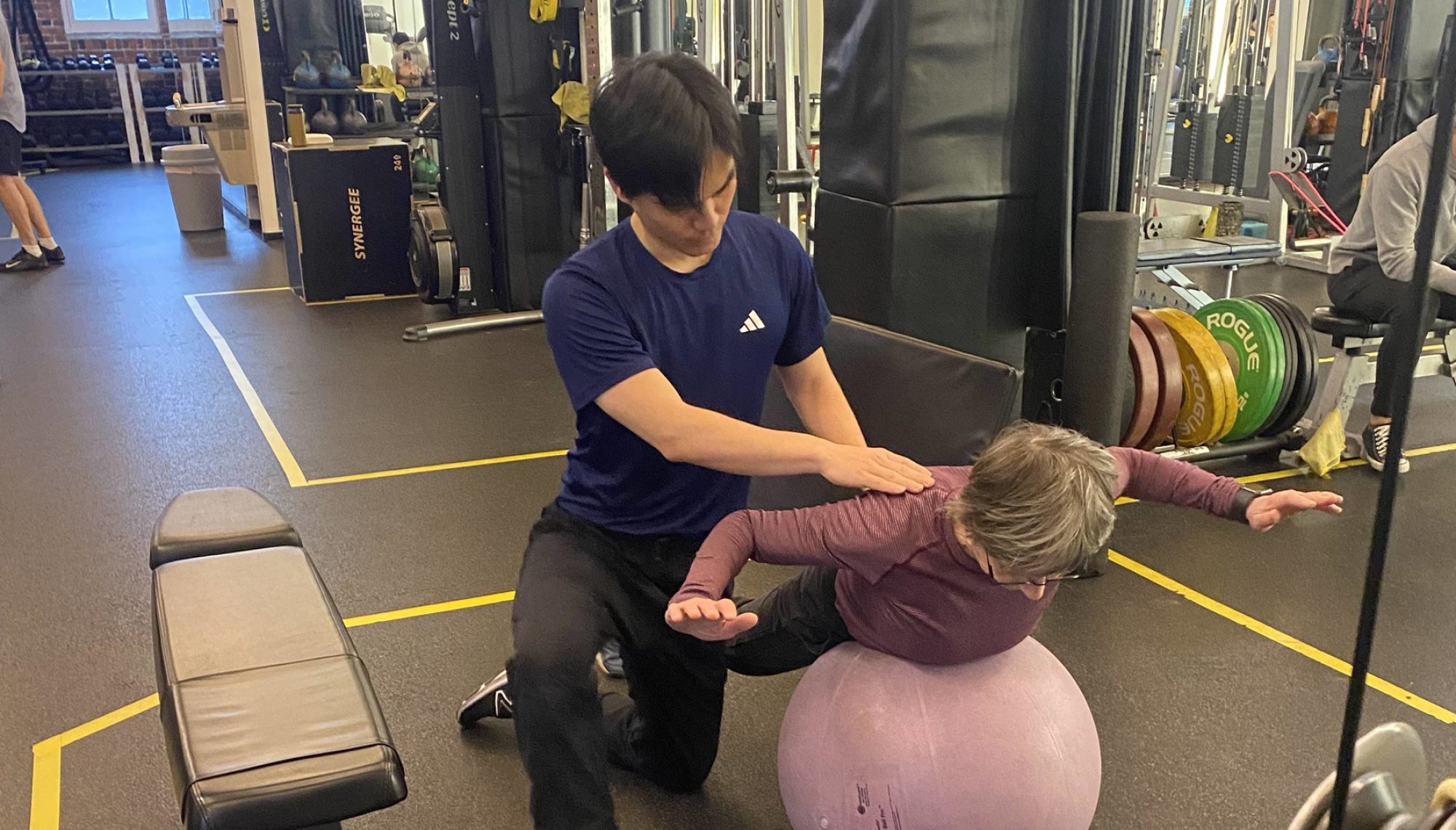

Building lower-body stability is essential for athletic performance, injury prevention, and everyday movement. A well-structured progression ensures proper core engagement, balance, and control. This guide outlines key stages to move from foundational half-kneeling positions to dynamic lunge variations.
Step-by-Step Progression for Stability and Strength
Half-Kneeling Position
This starting position teaches:
- Core and pelvic stability
- Glute activation
- Anti-rotation control
Recommended Exercises:
- Pallof press
- Overhead holds
- Controlled weight shifts
BOSU Training (If Needed)
Using a BOSU ball can introduce proprioceptive challenges. However, it should be used strategically as a tool for neuromuscular control rather than the final training goal.
Split-Stance Training
A split stance provides more dynamic stability while still offering support.
Split-Stance Progressions:
- Static Holds: Pallof press, chops, lifts
- Controlled Weight Shifts: Enhances glute and core coordination
- Rotational Drills: Landmine rotations, cable presses, or medicine ball throws
Lunge Variations
Lunges mimic real-life movement patterns and engage the entire lower body.
Lunge Progressions:
- Reverse Lunge Before Forward Lunge – Reverse lunges are more stable, while forward lunges require more deceleration.
- Add Rotation – Incorporate a chop/lift motion during the movement.
- Progress to Single-Leg Step-Ups or Dynamic Rotational Movements – These challenge balance and strength in a functional way.
Conclusion
By progressing from half-kneeling to lunges, you develop a strong, stable foundation that supports performance and daily movement. Incorporating these steps into your training ensures a well-rounded approach to strength, mobility, and injury prevention.
Contact us for our Personal Training Services