When you think about muscles, you probably picture strength, power, or physical performance. But your muscles do something far more important than move your body — they act as chemical factories that produce myokines.
Myokines are special proteins released by contracting skeletal muscles during exercise. Once released, they travel through your bloodstream and communicate with organs like the brain, liver, heart, and fat tissue. This powerful muscle-organ connection influences everything from your metabolism and immune system to your brain function and cardiovascular health.
Let’s explore how myokines help your body stay strong and healthy.
1. Myokines Support the Immune System
When your muscles contract during exercise, they release myokines that create an anti-inflammatory environment in your body. These myokines help regulate immune cell activity, reduce chronic inflammation, and support the body’s ability to fight infections.
This means regular physical activity doesn’t just make you stronger — it also helps your immune system stay resilient and lowers the risk of chronic diseases linked to inflammation.
2. Myokines Improve Blood Sugar Control
Myokines play a key role in maintaining healthy blood sugar levels. They increase insulin sensitivity, improve glucose uptake by muscles, and help organs like the liver and pancreas manage blood sugar more effectively.
This process, known as muscle-organ crosstalk, is one reason why exercise is one of the best ways to prevent or manage type 2 diabetes. The more you move, the better your body becomes at using energy efficiently.
3. Myokines Help Burn Fat and Boost Metabolism
Exercise-induced myokines promote fat breakdown (lipolysis) and encourage the “browning” of white fat tissue. Brown fat burns more calories and produces heat, helping improve energy balance and metabolic health.
This is why consistent movement helps you maintain a healthy body composition — your muscles literally signal your body to use fat for fuel.
4. Myokines Support Bone Health
Myokines also influence bone tissue by promoting bone mineralization. This helps maintain bone strength and density, reducing the risk of osteoporosis and fractures.
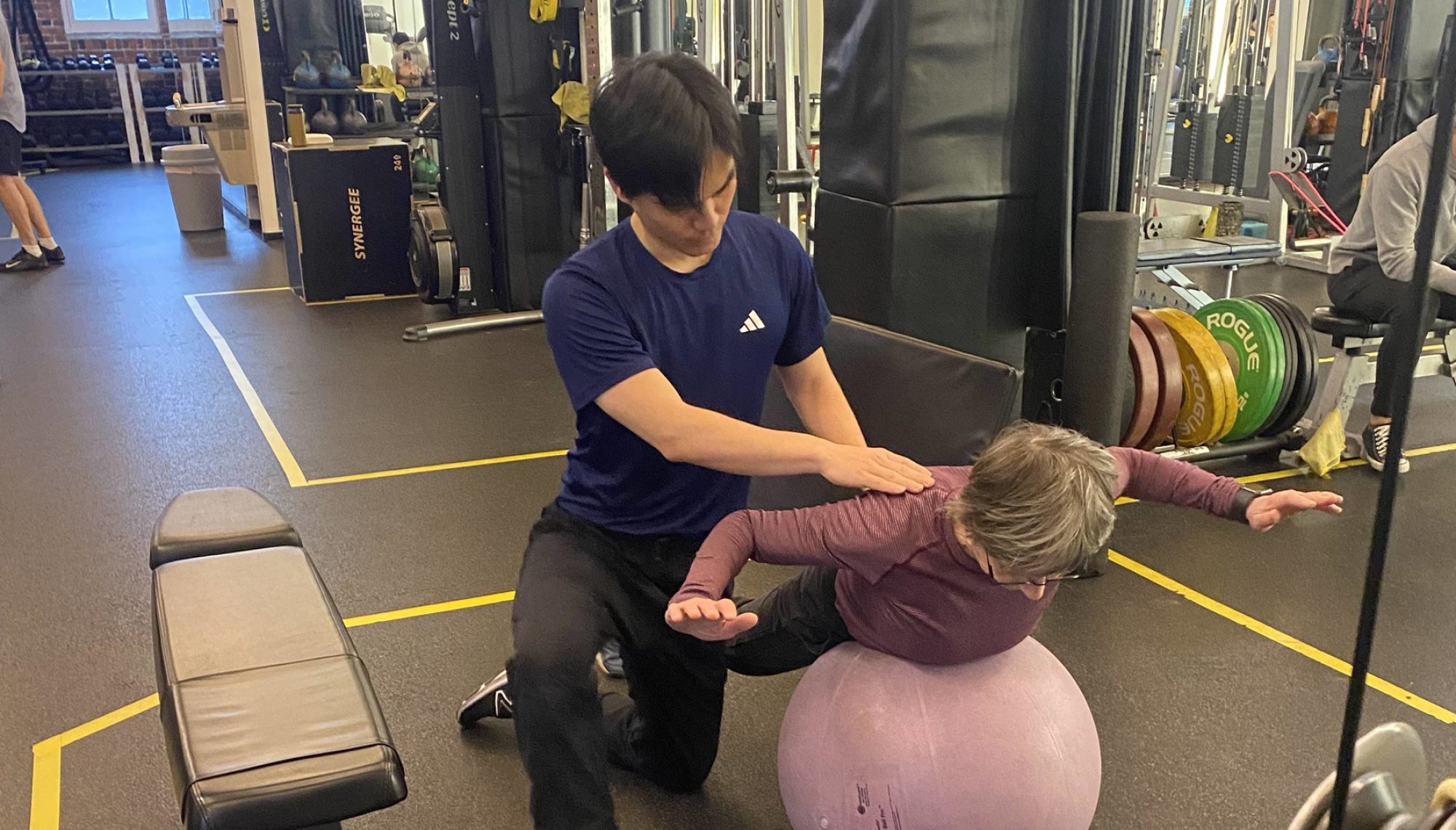
Resistance training, in particular, is highly effective because it combines mechanical stress on the bone with the release of bone-supporting myokines.
5. Myokines Improve Heart and Blood Vessel Health
Another major benefit of myokine production is its positive effect on endothelial function — the health of your blood vessel lining. Myokines help form new blood vessels (angiogenesis), reduce inflammation, and support overall cardiovascular health.
Over time, this lowers the risk of conditions like atherosclerosis, high blood pressure, and ischemic heart disease.
6. Myokines Affect the Brain and Appetite
Exercise doesn’t just work your muscles — it also connects your muscles, brain, and gut through what’s called the muscle-brain-gut axis. Myokines released during exercise can travel to the brain and influence appetite, often leading to a temporary decrease in hunger after workouts.
These signals help regulate your metabolism and energy intake naturally.
7. Myokines Boost Brain Function Through BDNF
One of the most fascinating myokines is BDNF (Brain-Derived Neurotrophic Factor). This myokine is released during both aerobic and resistance training and plays a crucial role in brain health.
BDNF supports the growth of new brain cells (neurogenesis), enhances memory, and improves overall cognitive function. Myokines like BDNF and irisin work together to support mental sharpness, making exercise one of the most effective natural tools for brain health.
Conclusion
Your muscles are far more than tools for movement — they’re active organs that communicate with your entire body through myokines. These powerful signaling molecules improve immunity, balance blood sugar, strengthen bones, protect your heart, and even boost brain function.
Every time you move, your muscles are working behind the scenes to keep you healthy from head to toe. That’s why staying active through resistance training, mobility work, and aerobic exercise isn’t just about fitness — it’s about whole-body health.