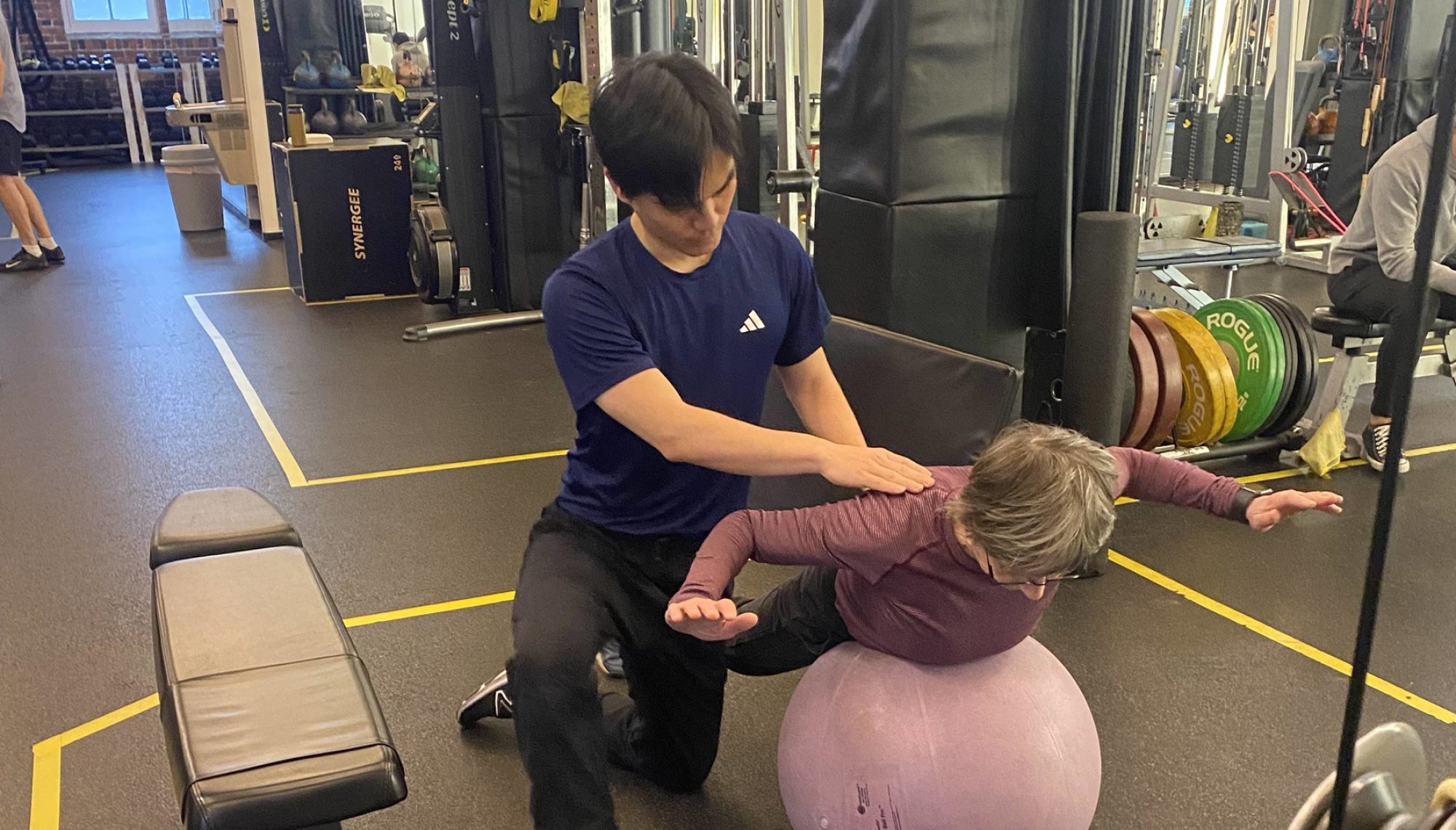

Posture plays a crucial role in overall health and movement efficiency. While exercise is essential for improving posture, some movements can actually make it worse. If you struggle with poor posture, it is important to choose exercises that support proper alignment rather than reinforce imbalances.
In this article, we will discuss common exercises that can negatively impact posture and explain why you should avoid or modify them.
The Role of Posture and Mobility
When you are young, poor posture is often due to incorrect movement patterns rather than a lack of mobility. Your brain sends the wrong signals, leading to imbalances that affect your posture. In these cases, professional guidance is necessary to retrain movement patterns and improve posture effectively.
Exercises That Can Worsen Your Posture
Crunches and Sit-Ups
Crunches and sit-ups are commonly performed for core strength, but they can actually make posture worse. These exercises tend to:
- Overwork the rectus abdominis (front abdominal muscles), leading to excessive forward spinal flexion.
- Neglect deep core stabilizers, which are crucial for maintaining an upright posture.
- Increase pressure on the spine, making them less ideal for long-term spinal health.
Unless you need these exercises for a specific sport, such as gymnastics, it’s best to replace them with core-stabilizing movements like planks or dead bugs.
Hanging Leg Raises
Many people believe that hanging leg raises primarily target the abdominal muscles. While they do engage the core, a significant portion of the movement comes from hip flexion. This can be problematic if you already have:
- Tight hip flexors
- An exaggerated lower back curve (hyperlordosis)
Strengthening tight hip flexors can reinforce postural imbalances instead of correcting them. Instead, consider exercises that focus on core stability.
Too Much Pushing

Pushing exercises like push-ups, bench presses, and shoulder presses are excellent for strength development, but excessive pushing can negatively impact posture. If you already have a kyphotic (rounded upper back) posture, too much pressing can:
- Further tighten the chest muscles, worsening the imbalance.
- Lead to a forward head posture and rounded shoulders.
- Weaken the posterior chain, making it harder to maintain good alignment.
To maintain balance, follow a 1:2 or 1:3 push-to-pull ratio. This means performing at least twice as many pulling exercises, such as rows and face pulls, to strengthen the muscles responsible for good posture.
Conclusion
Improving posture requires a balanced approach to training. Avoiding certain exercises that reinforce poor movement patterns can help prevent postural issues. Instead, focus on core stability, posterior chain strength, and mobility work. If you’re unsure about the best exercises for your posture, consult a professional who can guide you with a personalized program.
By making smart exercise choices, you can enhance posture, reduce pain, and improve overall movement quality.
Contact us for our Personal Training Services