You’ve probably heard the terms flexibility and mobility before. They’re often used interchangeably, but they’re not the same thing. Understanding the difference is key if you want to improve your movement quality, prevent injury, and perform better in both training and daily life.
What Is Flexibility?
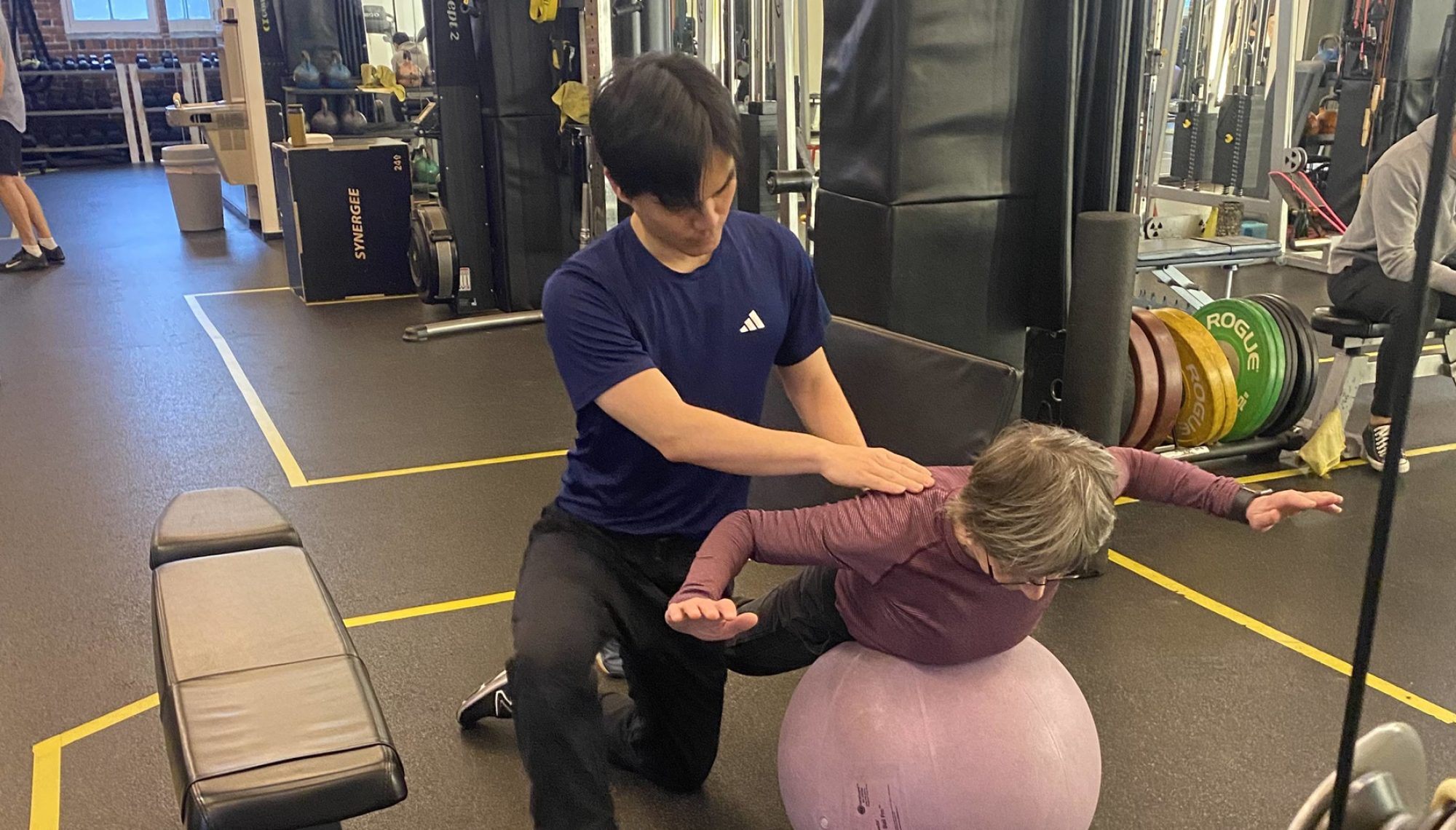
Flexibility refers to the passive range of motion of a muscle. In other words, how far a muscle can be lengthened when an external force — such as gravity, a strap, or a partner — is applied. For example, when you sit on the ground and reach for your toes, the hamstrings are passively stretched.
What Is Mobility?
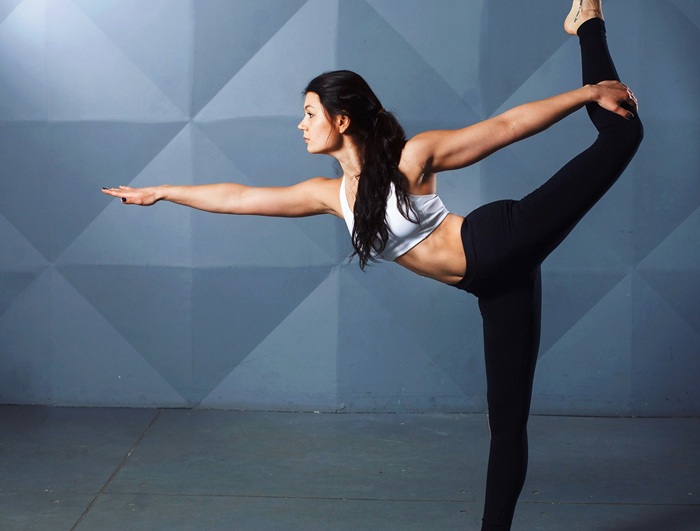
Mobility is the active range of motion. It’s your ability to move a joint through its full range with control, using your own strength. A good example is performing a deep squat: your hamstrings are actively lengthening during the movement while other muscles are working to stabilize and coordinate the motion.
Which One Is Better?
Neither flexibility nor mobility is “better” — both are important and work hand in hand. Flexibility gives your muscles the potential to move, while mobility ensures you can actually control that movement. If you only focus on flexibility without mobility, you may increase your range of motion but lack stability. On the other hand, if you only train mobility, you may run into limitations if your muscles are too tight.
For example, during a squat:
- Flexibility allows your hamstrings to lengthen.
- Mobility ensures you can actively move into and out of that position without compensations.
Why This Matters for Injury Prevention
When a muscle lacks sufficient range of motion, it becomes tight and restrictive. This limitation forces the adjacent joints to compensate, which often leads to poor movement patterns and eventually pain or injury. For instance, if your hips lack mobility, your lower back may pick up the slack during squats or deadlifts, increasing the risk of injury.
When to Use Static Stretching
Static stretching is a great tool for addressing flexibility. It allows you to target one joint or one side of the body, especially if there’s an imbalance. Static stretching can help you:
- Improve both passive and active range of motion.
- Use PNF stretching techniques to gain flexibility faster.
- Restore muscle length (sarcomere length) to a healthy range, which actually increases your potential for strength and power.
Final Thoughts
Flexibility and mobility are two sides of the same coin. Flexibility gives you access to a range of motion, while mobility allows you to control it. For long-term joint health, performance, and injury prevention, you should train both. That means incorporating static stretches for flexibility alongside mobility drills and strength work that reinforce active control.
Movement isn’t just about how far you can reach — it’s about how well you can move through that range.