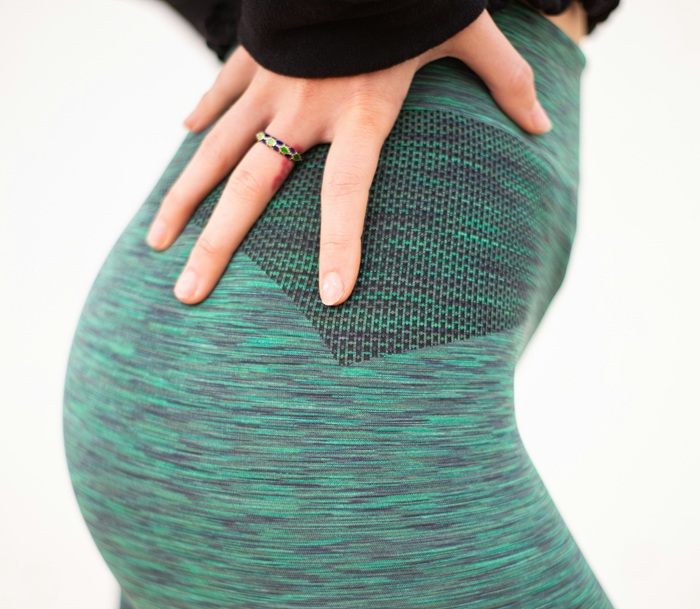
Anterior pelvic tilt is one of the most common postural deviations. If you sit for long periods, wear high heels frequently, or have gone through pregnancy, your pelvis may naturally tip forward. While it’s common, it can create issues like lower back discomfort, tight hip flexors, and poor movement efficiency if left unaddressed.
So, what can you do about it?
Understanding the imbalance
Anterior pelvic tilt is not just about tightness—it’s about imbalance. Typically, one side of the body is weak and underactive, while the other side is tight and overactive. Correcting this requires more than just stretching; it’s about improving endurance and stability in the underactive muscles while releasing the overactive ones.
Why endurance matters
Many people jump straight into heavy lifting, but for postural correction, endurance training is the first step. Aim for 12–20 repetitions per set when targeting the weak, underactive muscles. This rep range builds muscular endurance and helps retrain your body to maintain better alignment throughout the day.
Glute activation: your first priority
One of the hallmark signs of anterior pelvic tilt is weak, lengthened, and underactive glutes. Strengthening them is key to restoring pelvic alignment. Here’s a smart progression you can follow:
- Glute Bridge → the foundation. Focus on form and holding at the top.
- Single-Leg Bridge → challenges stability and prevents compensation.
- Hip Thrust → allows for greater range of motion and load.
- Swiss Ball Bridge or Curl → adds instability to activate deep stabilizers.
- Banded Hip Thrust/Bridge → place a circular band above your knees. This activates the glute medius, which research suggests may also increase glute max activation.
By progressing through these variations, you’ll build endurance, stability, and strength in the muscles that counteract anterior pelvic tilt.