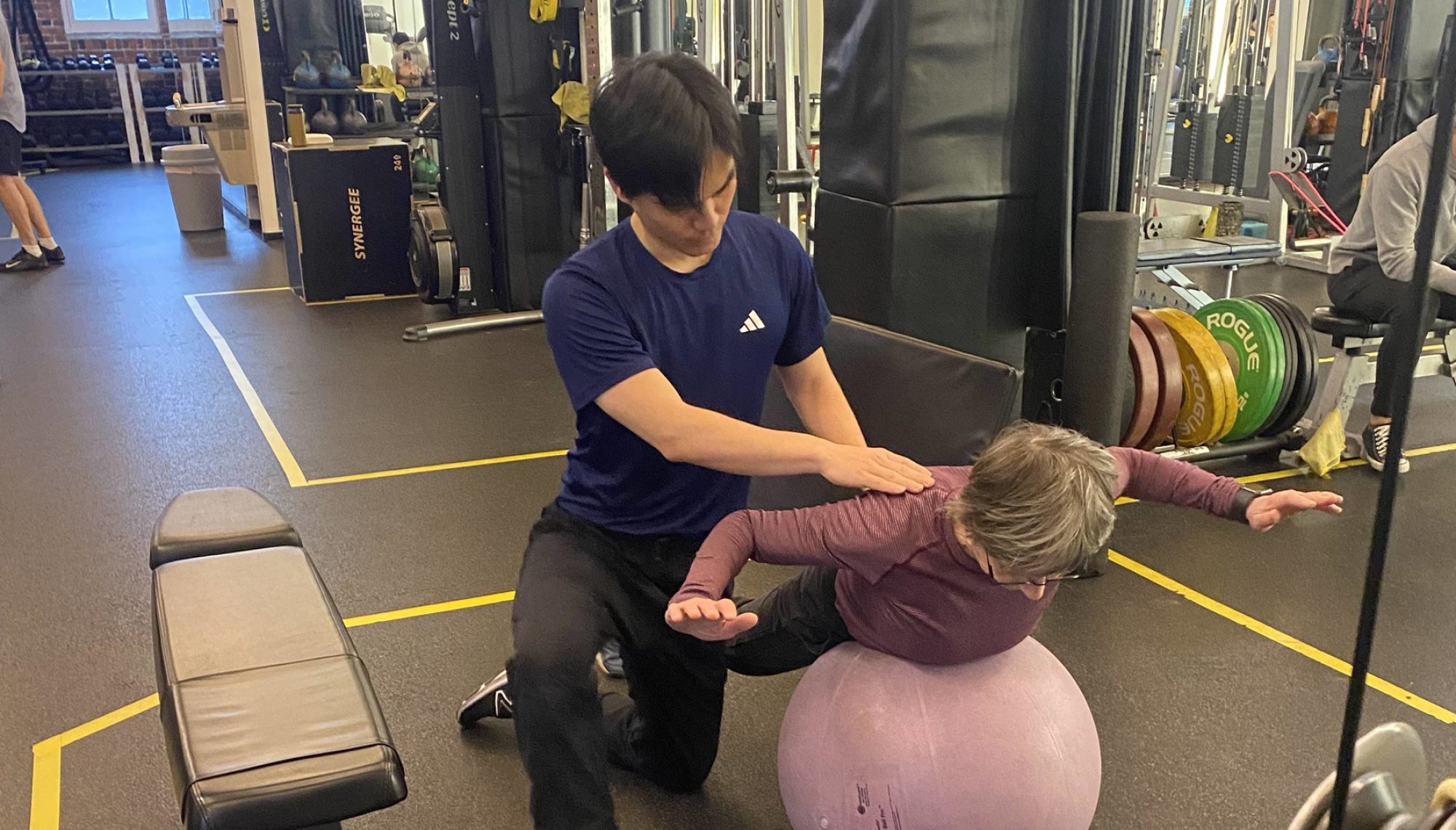

Power training helps your body produce force quickly. This is not just about lifting heavier weights. It is about how fast your muscles and nerves work together. The main goal is to improve how quickly force turns on, also called rate of force development (RFD). Here is a simple explanation of how power training works.
Motor Units Turn On Faster
After power training, your bigger and faster muscle fibers turn on more easily. They do not need as much effort from your nervous system. Instead of muscle fibers turning on slowly in order, many of them turn on almost at the same time. This creates force faster at the start of a movement.
Nerves Fire More Often
Every nerve needs a short reset time after it fires. Power training shortens this reset time. This allows nerves to send signals more often. When signals come faster, muscles can produce force faster.
Better Electrical Readiness
Power training improves how well nerves and muscles reset between signals. Think of it like charging a battery faster. When the system is ready sooner, it can keep producing force without delay.
Faster Calcium Release in Muscle
Calcium is the switch that makes muscles contract. Power training helps muscles release calcium faster and in larger amounts. When calcium is released quickly, muscles contract sooner and force rises faster.
Fast-Twitch Fibers Work Better
Fast-twitch (Type II) muscle fibers respond better to calcium and produce force quickly. Power training improves how well these fibers work and increases their role during movement.
Muscle Growth Comes Later
At first, power improves because of nerve and muscle coordination. Over time, muscles also get bigger and stronger. Both help you produce force faster.
Conclusion
Power training teaches your body to move fast and strong at the same time. It improves nerve signals, muscle readiness, and fast-twitch muscle fibers. The result is quicker force, better performance, and safer, more powerful movement.