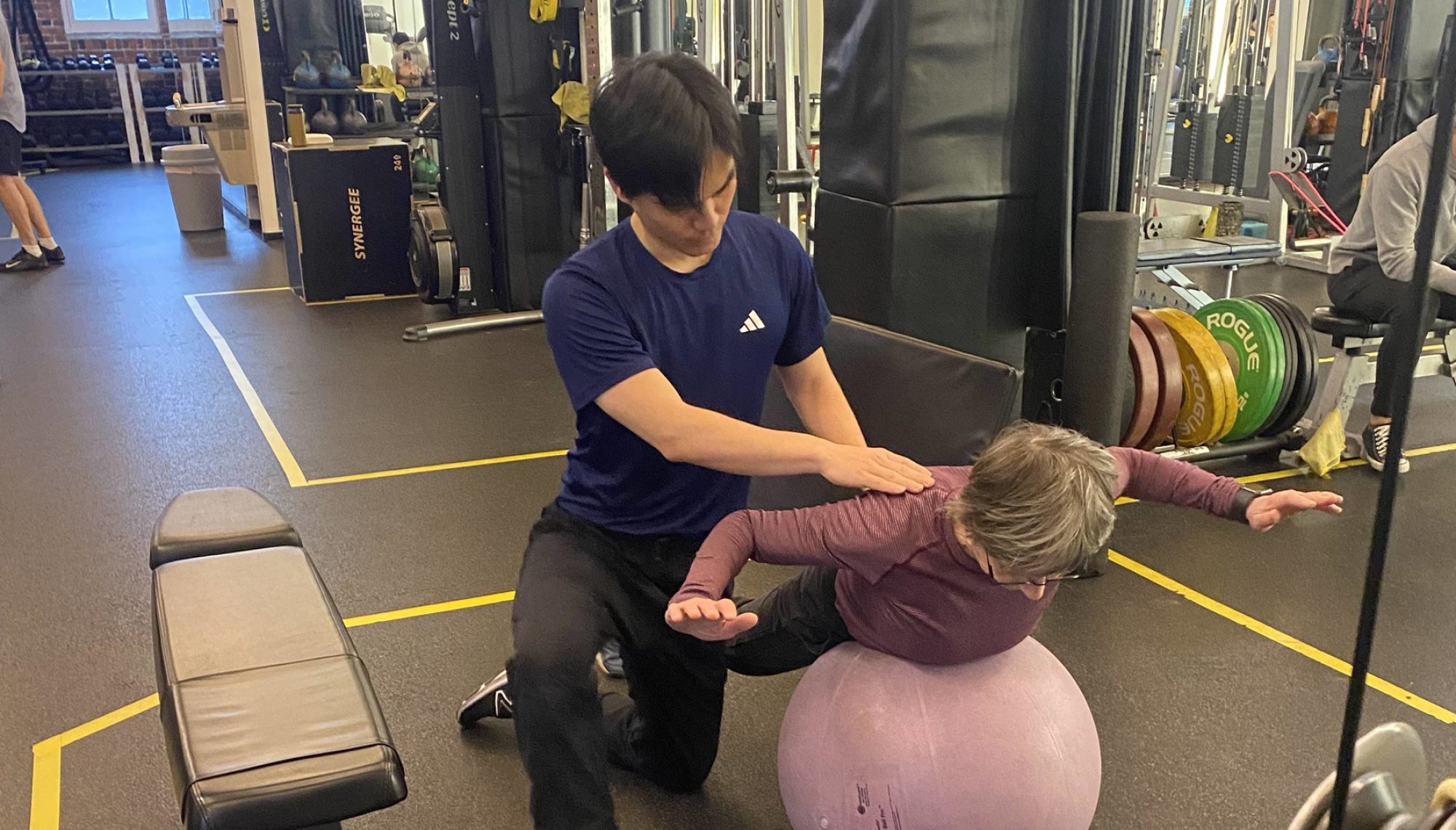
Since completing my certification with BoneFit, I’ve had the privilege of working more closely with individuals who have osteoporosis or osteopenia. Many clients ask me similar questions: Can I reverse bone loss? Should I be jumping? What kind of training is safest and most effective?
In this post, I’ll share what BoneFit training involves and how I apply it to help clients move better, feel stronger, and reduce their risk of falls and fractures.
What Is BoneFit?
BoneFit is an evidence-based training program developed by Osteoporosis Canada. It’s designed to educate health and fitness professionals on how to work safely and effectively with individuals diagnosed with osteoporosis or low bone density.
The program teaches:
- How to modify exercises to reduce fracture risk
- Safe strength and balance training strategies
- Postural awareness and movement techniques
- The latest research on bone health and exercise
Can You Reverse Bone Loss Through Exercise?
The short answer: maybe—but there are no guarantees.
Some research suggests that regular resistance training may help slow or even reverse bone loss, especially in postmenopausal women. However, results are mixed and more studies are needed.
Instead of focusing only on reversing bone loss, the more realistic and essential goal is this:
Prevent falls and improve function.
If you’ve been strength training and haven’t had a fall in over a year, you’re already on the right track.
Why Balance and Agility Matter
BoneFit emphasizes more than just strength. Training should include:
- Balance exercises
- Agility drills
- Functional coordination
These elements prepare you for real-life movements—walking on uneven ground, catching yourself if you trip, or navigating stairs. In some cases, these skills may quite literally save your life.
What About Jumping and Plyometrics?
Jumping can stimulate bone growth—but with caution.
Some studies show positive results from plyometric training in younger women. However, research is still limited and mixed when it comes to older adults. That’s why I take a progressive approach, incorporating low-impact jumping only when it’s safe and appropriate.
That said, combining jumping with resistance training is likely more effective than doing either alone.
Is Your Resistance Training Challenging Enough?
One common mistake I see is using weights that are too light. If you’re doing more than 20 reps without fatigue, your muscles—and bones—aren’t being challenged.
Progressive resistance training is key. You should gradually increase weights as you get stronger. Not only does this help stimulate bone growth, but it also builds the muscles that support posture, balance, and joint stability.
The Importance of Posture
Good posture is more than a matter of appearance.
When you hunch forward, your center of gravity shifts, and your body has to work harder to stay balanced. This increases the risk of falls and fractures—especially in the lumbar spine and hips, two high-risk areas for individuals with osteoporosis.
Practicing and reinforcing proper posture reduces strain on the spine and helps you move more efficiently in everyday life.
Don’t Forget the Role of Nutrition
Exercise is only part of the picture. Calcium and Vitamin D are crucial for maintaining healthy bones.
In Canada, most people need a Vitamin D supplement, especially in the winter months. Pair that with sufficient calcium intake, and you’re giving your bones the nutrients they need to stay strong.
Final Thoughts
BoneFit has helped shape how I train people with osteoporosis. By focusing on safe resistance training, balance work, postural correction, and functional movement, we can reduce injury risk and improve quality of life.
If you’re living with osteoporosis or osteopenia, you’re not powerless. With the right approach, you can take meaningful steps toward staying active, independent, and pain-free.
Contact me for Personal Training Services