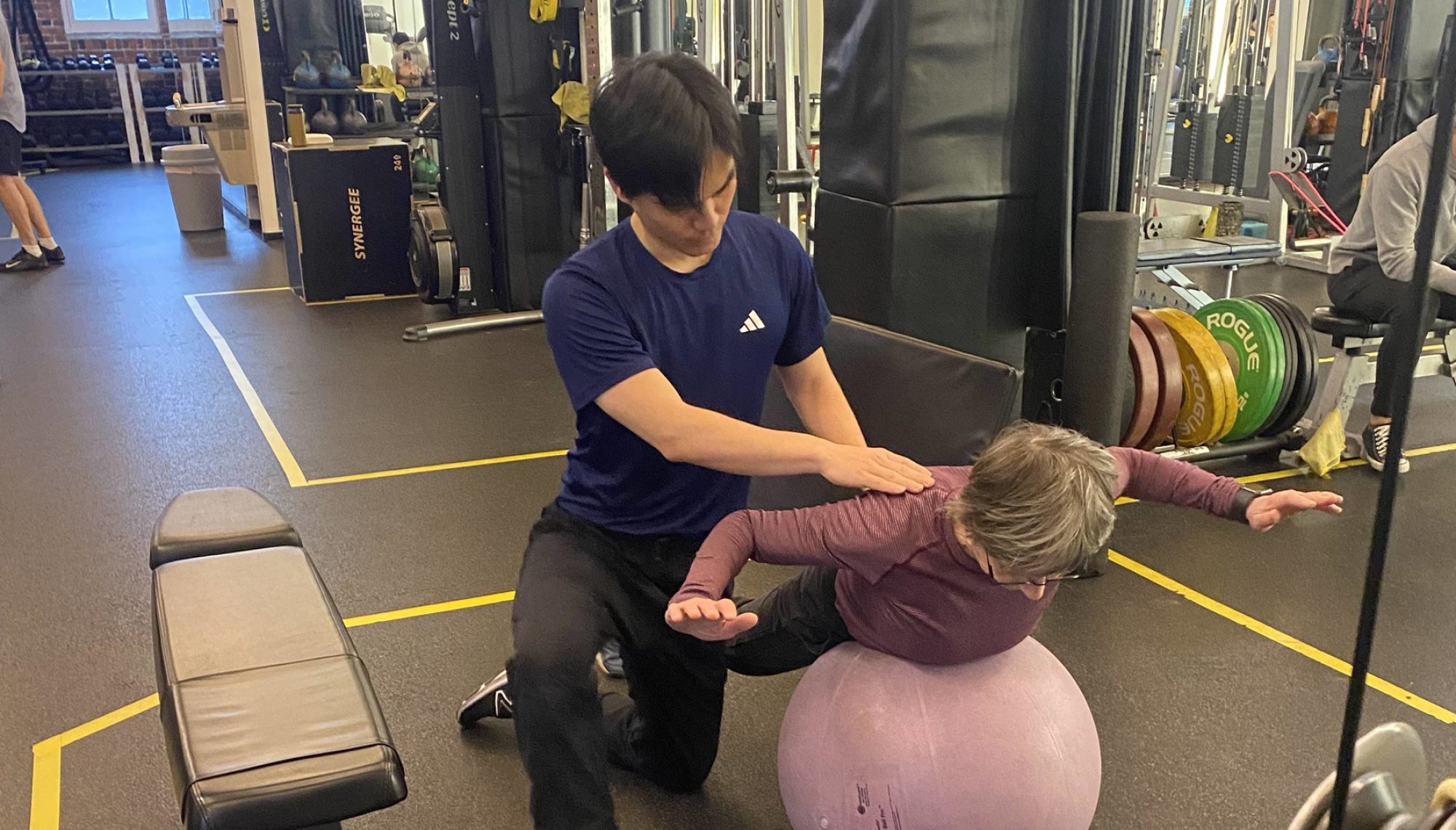
Power training is a key part of my coaching approach. It is not only for young athletes. It is also very important for seniors.
A simple idea I always use is this: if you don’t use it, you lose it. This applies to muscle strength, speed, coordination, and overall movement ability.
Power training helps you keep these qualities active in real life and sports.
Choose the Right Weight
Power training is about speed first, not heavy load.
If the weight is too heavy, you will slow down. When that happens, you lose the purpose of power training.
The goal is simple:
- Use a weight that allows maximum speed
- Keep every repetition fast and explosive
- Stop when speed drops
Speed is the main training stimulus.
Follow Through Matters
Full movement speed is very important.
For example, in a medicine ball slam, your arms should move all the way with fast shoulder flexion. The same idea applies to jumping exercises like box jumps and counter movement jumps.
Your body should accelerate through the entire movement, not slow down halfway.
Train the Elastic Energy (Amortization Phase)
When you jump or move quickly, your body stores elastic energy in the muscles and tendons. This happens during the quick transition between lowering and pushing up.
This is called the amortization phase.
If you pause too long, you lose that stored energy. That means less power output.
The goal is to reduce this pause as much as possible so your body can use elastic energy efficiently.
Coordination and Full-Body Movement
Real-life and sports movements are rarely single-joint actions. They involve many muscles working together at the same time.
For example, a half kneeling single-arm landmine press is a good exercise. But in sports, movements are often more complex. You may need to squat, rotate, and press at the same time.
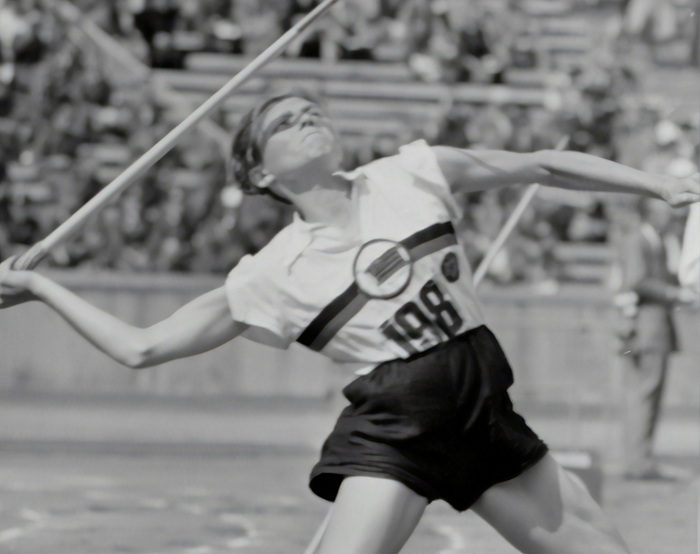
Exercises like squat to landmine press or split stance variations help train this coordination. They also mimic real athletic movements such as throwing a javelin or shot put.
Conclusion
Power training is essential for maintaining speed, coordination, and athletic ability at any age. It is not just about lifting weights. It is about moving fast, controlling your body, and using real movement patterns.
By focusing on speed, proper load, elastic energy, and coordination, you can improve both performance and long-term physical function.